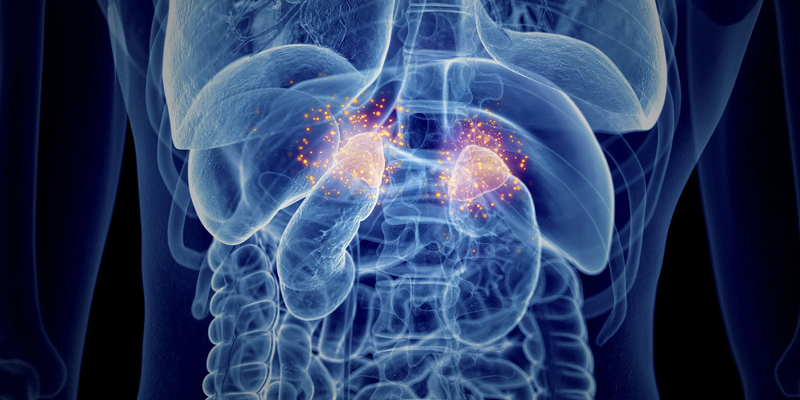
Adrenal & Pituitary Disorders: Expert Care by Dr. Pushpender Khatana
The adrenal glands and pituitary gland are vital components of the endocrine system, responsible for producing and regulating hormones that control numerous bodily functions. Dysfunction in these glands can lead to a wide array of symptoms and health challenges. Dr. Pushpender Khatana specializes in the precise diagnosis and comprehensive management of these complex conditions.
Understanding Adrenal Disorders:
The adrenal glands, located atop your kidneys, produce hormones crucial for metabolism, immune system function, blood pressure, and stress response. Disorders include:
-
Adrenal Insufficiency (Addison's Disease):
- Occurs when adrenal glands produce insufficient cortisol and sometimes aldosterone.
- **Symptoms:** Chronic fatigue, muscle weakness, weight loss, low blood pressure, skin darkening, and salt cravings.
- **Causes:** Autoimmune conditions, infections, or direct damage to the adrenal glands.
-
Cushing's Syndrome:
- Results from prolonged exposure to high cortisol levels.
- **Symptoms:** Weight gain (often in the face and upper body), thin skin, easy bruising, muscle weakness, high blood pressure, and irregular menstruation.
- **Causes:** Long-term corticosteroid use, adrenal tumors, or pituitary tumors (Cushing's Disease) leading to excessive ACTH.
-
Adrenal Tumors:
- Can be benign or malignant, potentially producing excess hormones that cause specific symptoms depending on the hormone type.
Understanding Pituitary Disorders:
The pituitary gland, a small gland at the base of the brain, is often called the "master gland" as it controls many other hormone glands. Pituitary disorders can arise from tumors or other conditions affecting its hormone production:
-
Pituitary Adenomas:
- Non-cancerous tumors that can cause hormonal imbalances. Examples treated by Dr. Khatana include:
- Prolactinomas: Excess prolactin, leading to menstrual irregularities, infertility, and milk production.
- Acromegaly: Excessive growth hormone, causing enlargement of bones and tissues, joint pain, and thickened skin.
- Cushing's Disease: A specific type of pituitary adenoma causing excess ACTH and subsequently high cortisol.
-
Hypopituitarism:
- Underactivity of the pituitary gland, leading to deficiencies in one or more pituitary hormones.
- **Symptoms:** Fatigue, weight changes, low blood pressure, infertility, and menstrual irregularities, depending on the deficient hormones.
-
Diabetes Insipidus:
- Insufficient production or release of antidiuretic hormone (ADH), leading to excessive urination and intense thirst.
Diagnosis and Treatment Approach:
Dr. Pushpender Khatana employs a thorough diagnostic process, which typically includes:
- Comprehensive **blood tests** to measure hormone levels.
- Advanced **imaging studies** (e.g., MRI, CT scans) to visualize the glands and detect abnormalities.
- Specialized **stimulation and suppression tests** to assess hormone function dynamically.
Treatment plans are highly individualized, depending on the specific disorder and its severity. Options may include:
- **Medication** to replace deficient hormones or suppress overproduction.
- **Surgical intervention** to remove tumors (often in collaboration with neurosurgeons).
- **Radiation therapy** in certain cases.
- Ongoing **monitoring and lifestyle management** to optimize hormone levels and ensure long-term health and well-being.
Dr. Khatana is committed to providing compassionate care, explaining complex conditions clearly, and working closely with patients to achieve the best possible health outcomes.